
Ever stared at a product listing that says “18 inches long” and had no clue what that actually means? You’re not alone. Numbers on a screen don’t mean much until you connect them to something you can picture.
This guide fixes that. You’ll get quick conversions, 19 real-life size comparisons, and simple tricks to visualize 18 inches anywhere, no tape measure required.
Table of Contents
How Long Is 18 Inches?
18 inches equals 1.5 feet. That’s the easiest way to remember it. Break it down further, and 18 inches also equals 0.5 yards, 45.72 centimeters, 457.2 millimeters, and 0.457 meters, according to standard imperial-to-metric conversion.
| Unit | Value |
|---|---|
| Feet | 1.5 ft |
| Yards | 0.5 yd |
| Centimeters | 45.72 cm |
| Millimeters | 457.2 mm |
| Meters | 0.457 m |
Here’s a quick trick: 18 inches is one foot plus six extra inches. That single mental split makes the number instantly easier to hold in your head.
A common mix-up is assuming 18 inches is close to two feet. It isn’t. Two feet is 24 inches, a full six inches longer. That gap matters when you’re measuring shelves, luggage, or furniture.
19 Real-Life Things That Are 18 Inches Long
Numbers fade from memory fast. Objects don’t. Here are 19 things that are 18 inches long, grouped by category so you can find a comparison that fits your situation.
Household and Furniture Items That Are 18 Inches Long
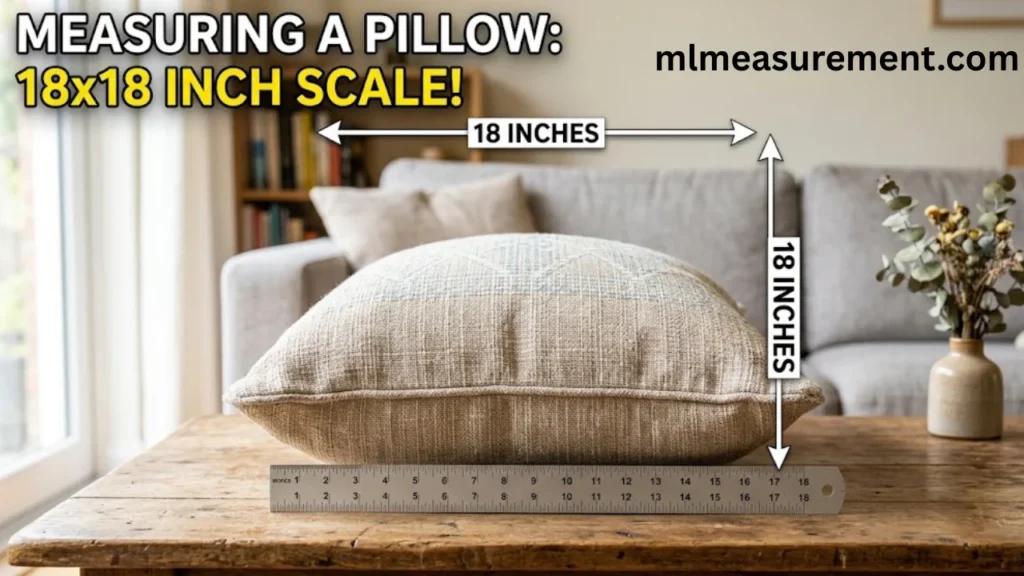
A throw pillow is one of the most reliable references out there. Most decorative throw pillows measure 18 x 18 inches, so one edge gives you an exact visual.
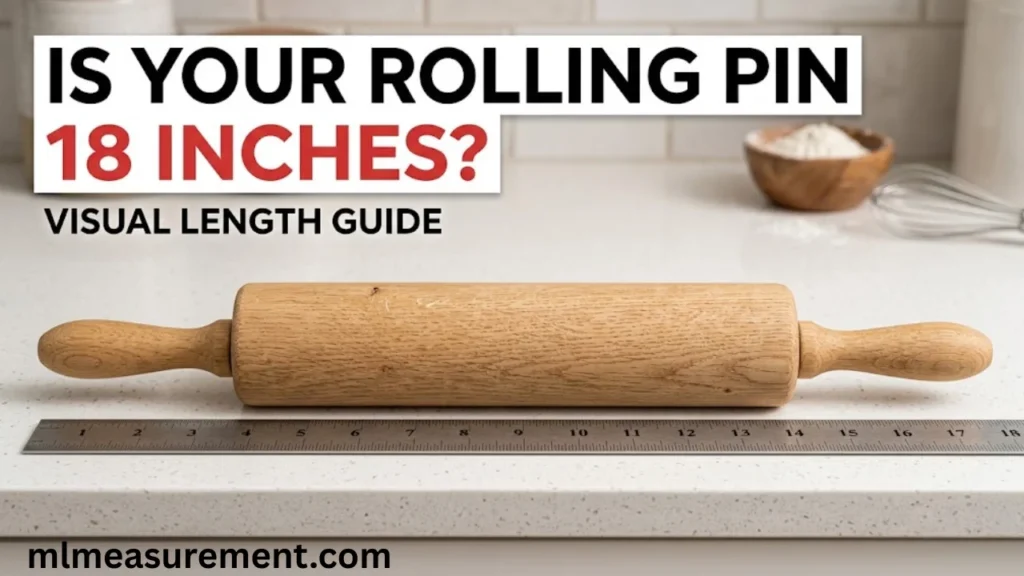
A rolling pin. Classic wooden rolling pins used for everyday baking typically run close to 18 inches from tip to tip, a handy kitchen-based reference if you cook often.
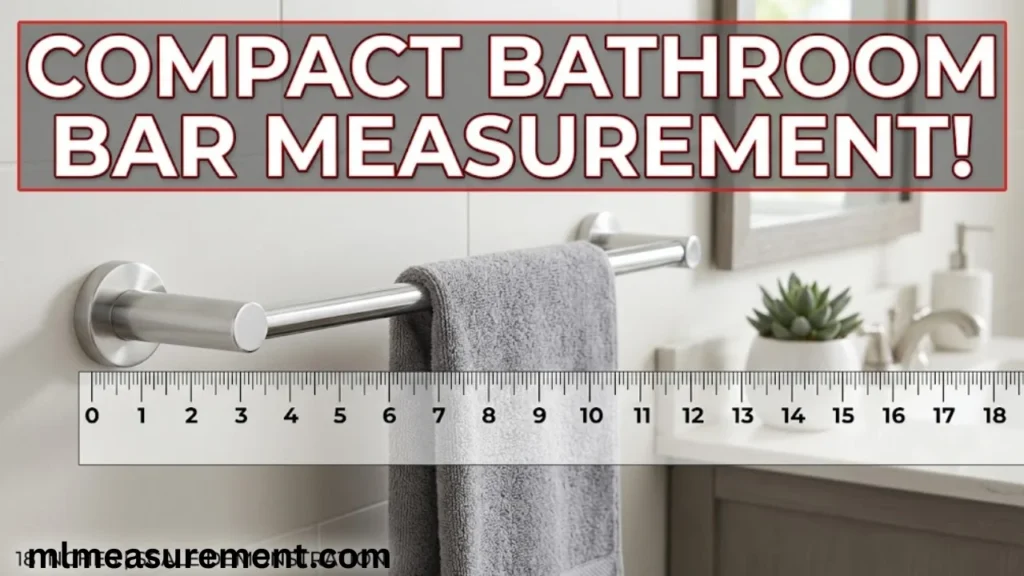
A towel bar. Compact bathroom towel bars, especially in smaller homes, are frequently built at 18 inches to fit tight wall space near a sink.
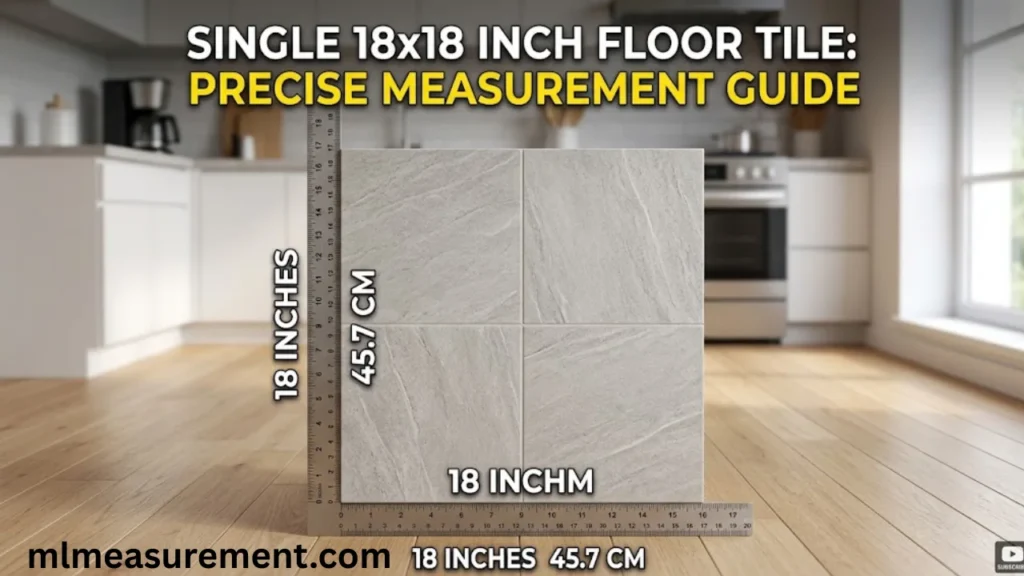
A floor tile. Many modern homes use 18 x 18-inch square tiles for kitchens and living rooms, making each tile edge a built-in measuring stick.
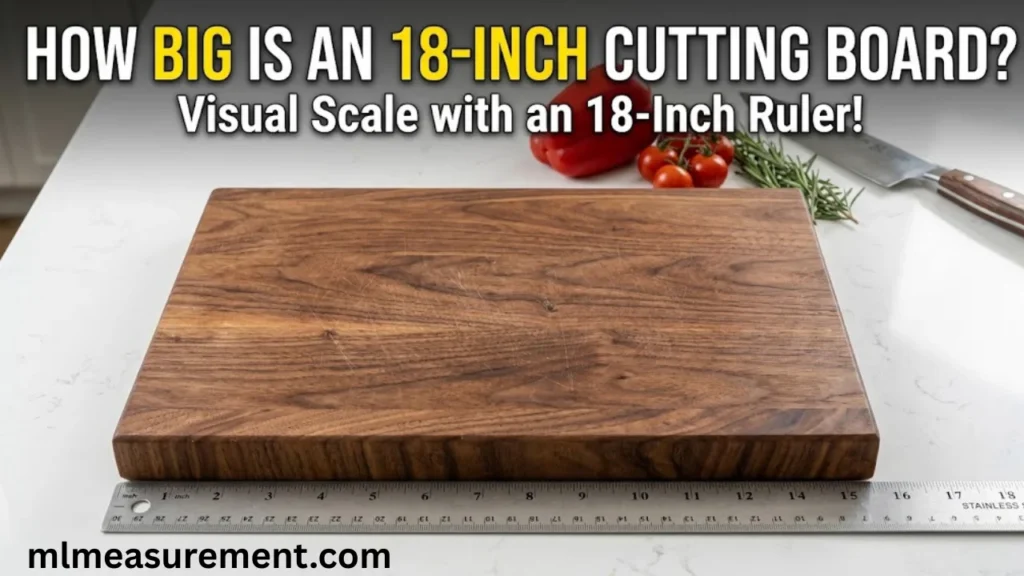
A cutting board. Larger rectangular cutting boards used for chopping vegetables or carving meat often stretch to 18 inches in length.
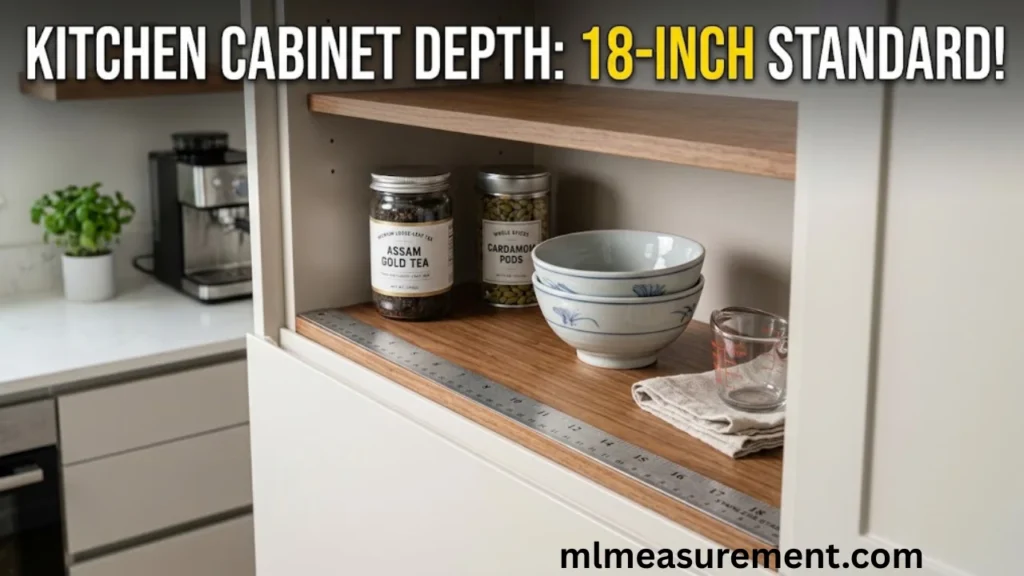
Cabinet or shelf depth. Kitchen cabinets and bookshelves commonly use 18 inches as a standard depth, a detail worth knowing before you buy an organizer that won’t fit.
Tech and Travel Items That Measure 18 Inches
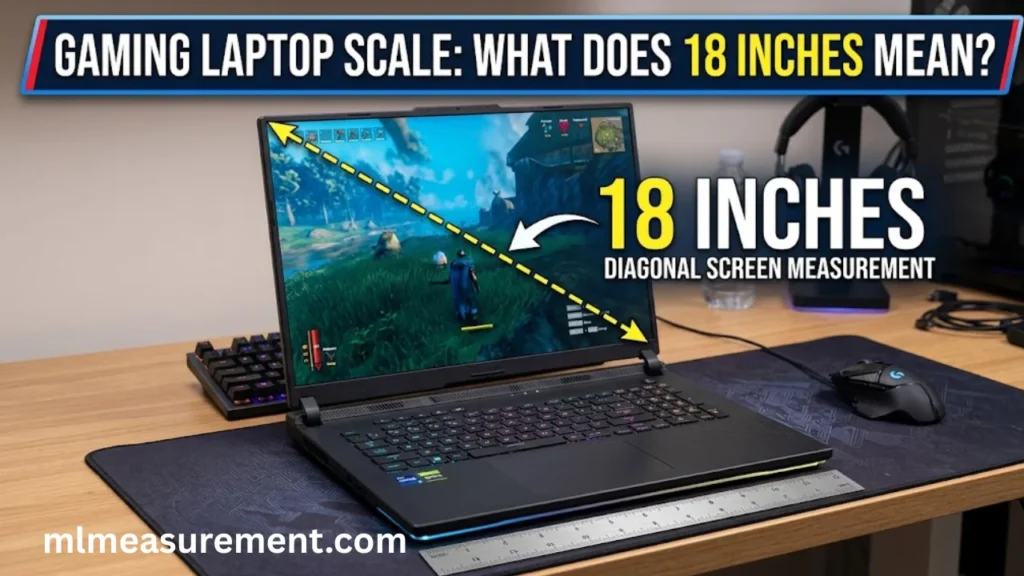
A large laptop screen. Big gaming laptops, including models like the Razer Blade 18, use the number in their name because the diagonal screen measures 18 inches, even though the actual chassis is narrower.
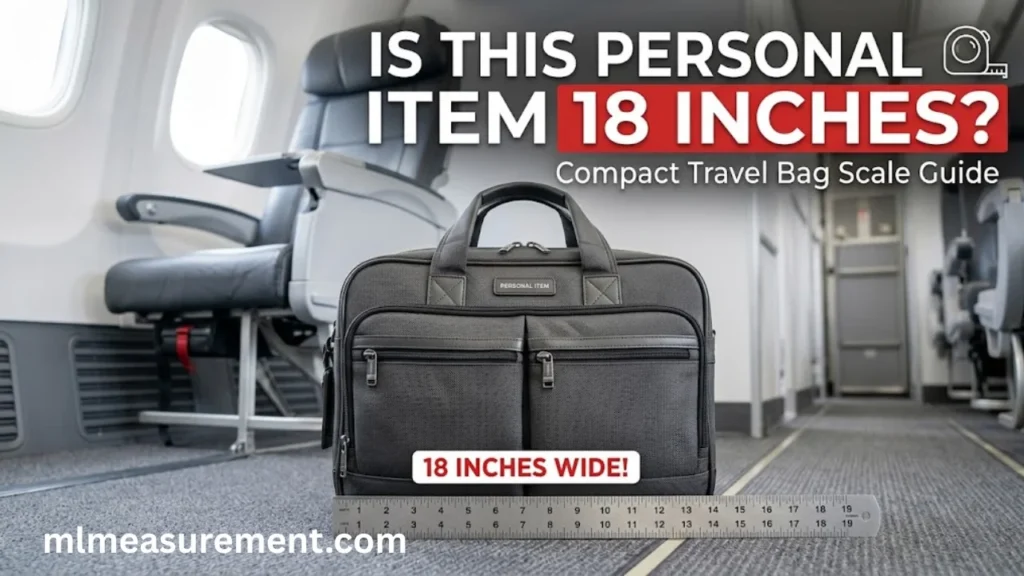
Under-seat luggage. Airlines including American Airlines, Frontier, and Spirit cap personal-item bags at 18 inches wide. Knowing this number in advance can save you an awkward gate-check fee.
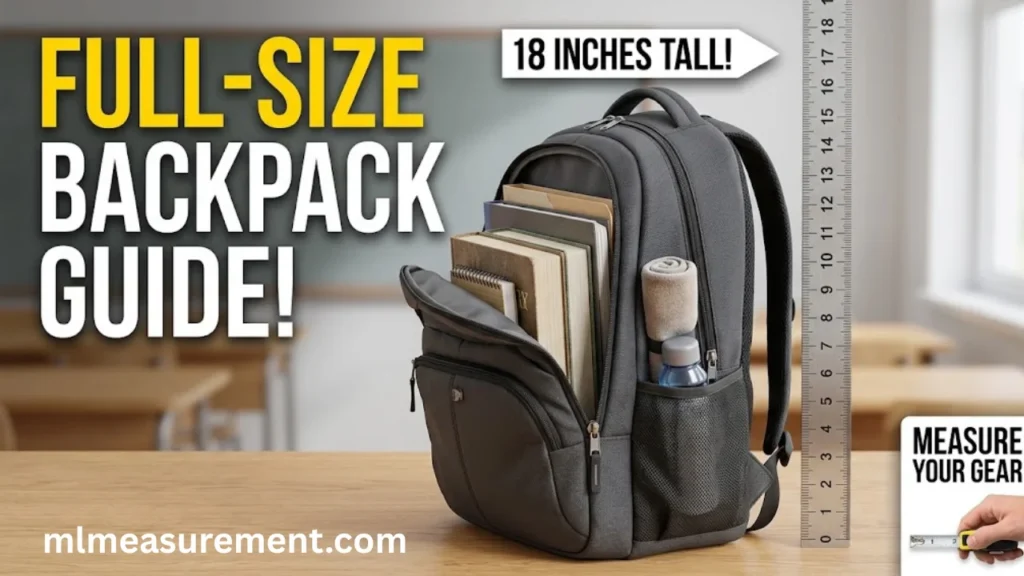
Backpack height. A full-size school or travel backpack usually stands close to 18 inches tall when packed and upright.
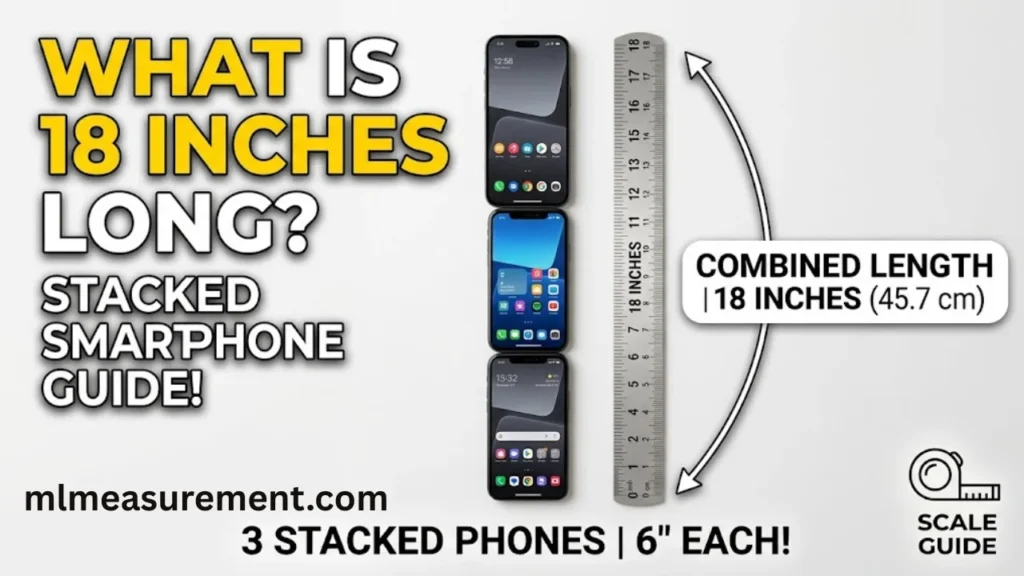
Three stacked smartphones. Line up three modern phones, each around 6 inches tall, and you land almost exactly at 18 inches.
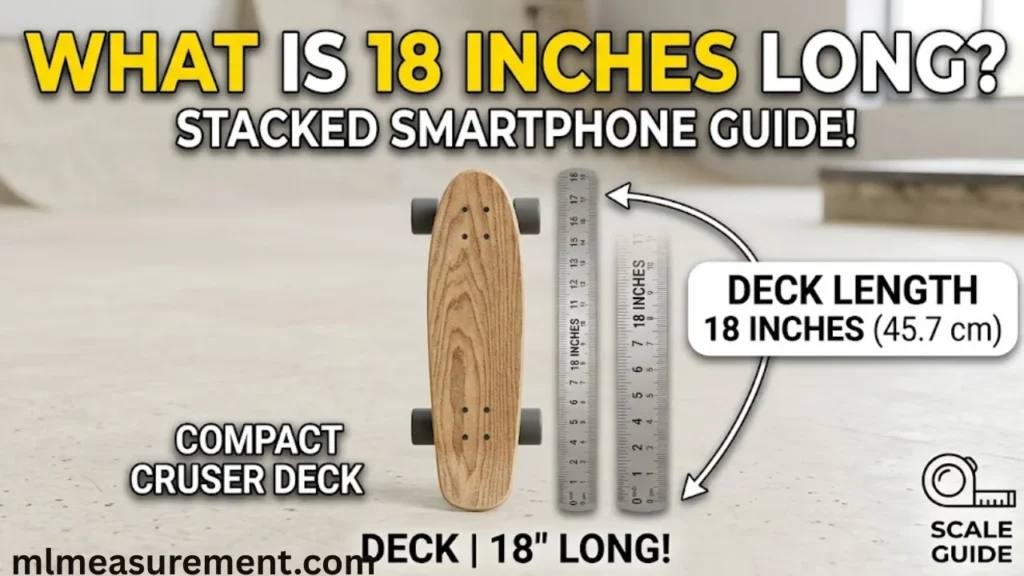
A skateboard deck. Compact cruiser boards, shorter than standard decks (28–32 inches), often measure close to 18 inches, a fun reference for skaters.
Body, Nature, and Everyday-Life Comparisons
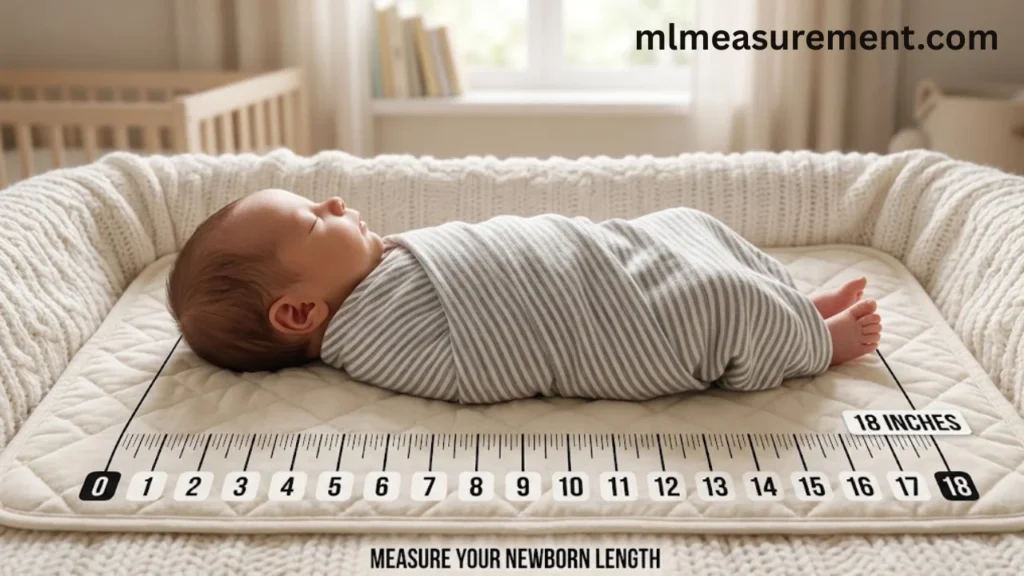
A newborn baby. The average newborn measures between 18 and 20 inches at birth, according to the CDC’s growth chart data. It’s a comparison many new parents already know by heart.
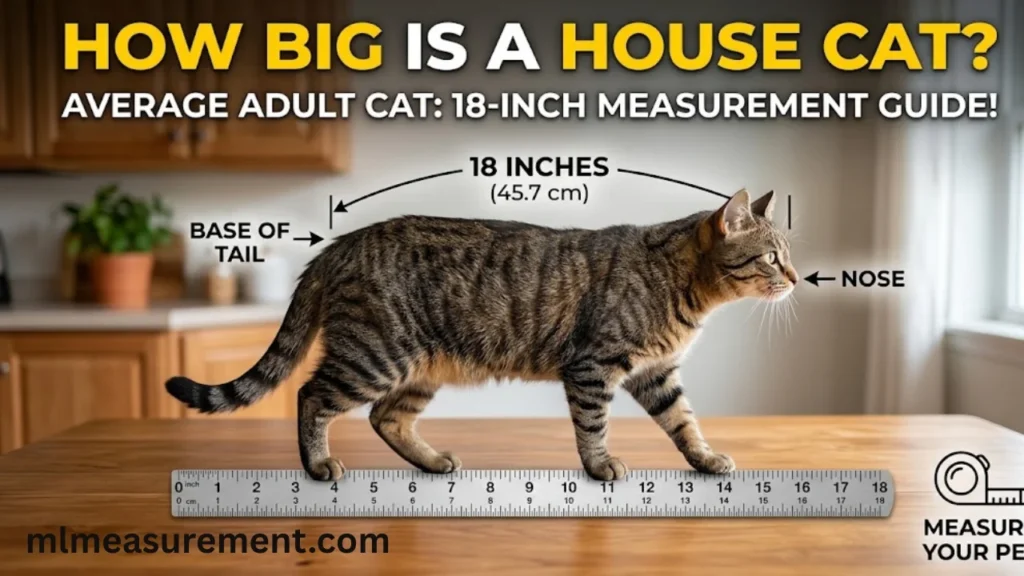
A house cat. An average adult cat, measured nose to the base of the tail, comes in close to 18 inches, a memorable reference for pet owners.
Must visit: 4 Inches Long: 11 Real-Life Size Comparisons
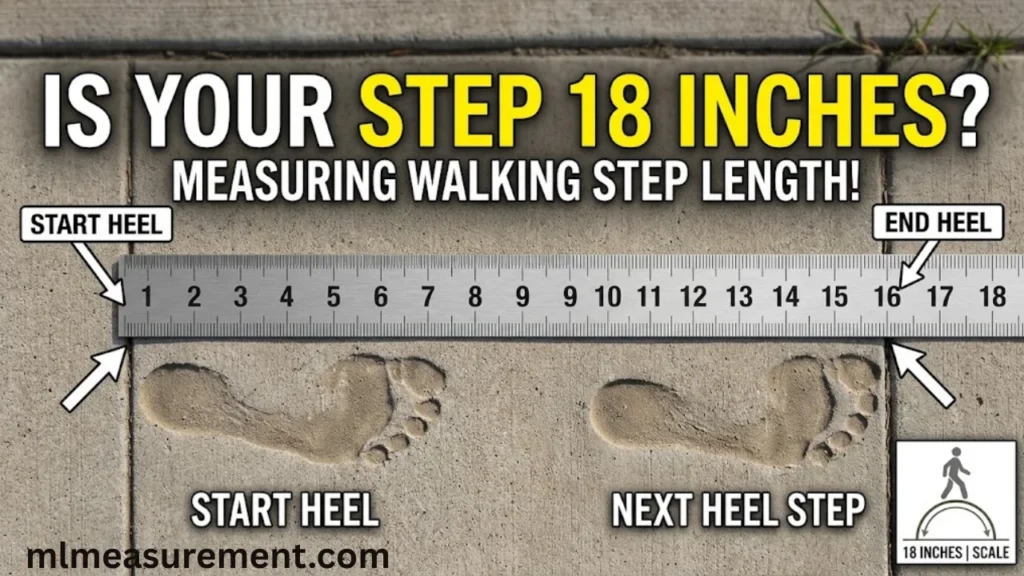
A human stride. The average adult’s walking step covers roughly 18 inches, making it a built-in, tool-free way to pace off distance outdoors.
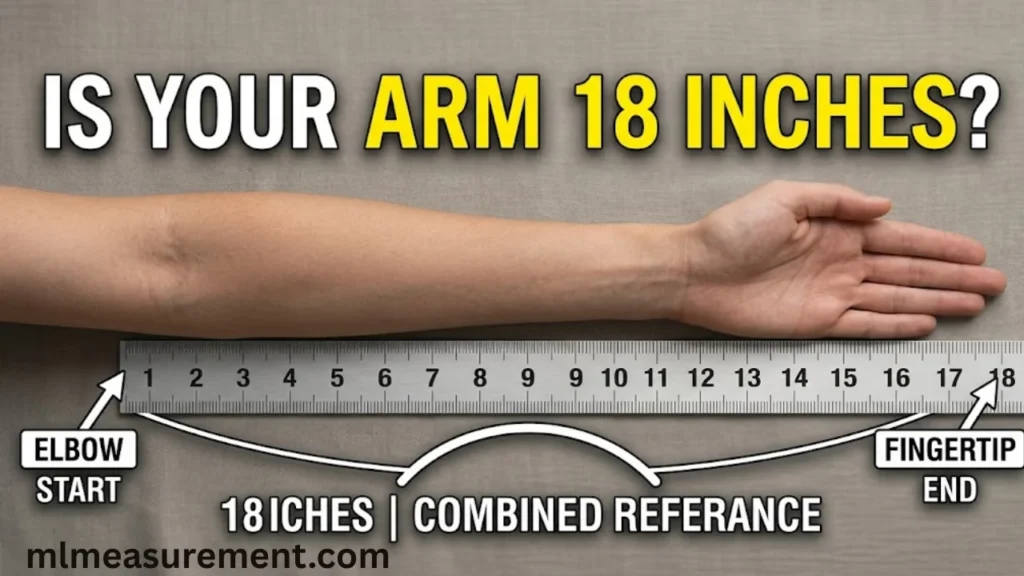
A forearm plus a hand span. Stretch your arm from elbow to fingertip, then add a few extra inches, and you’re right around 18 inches. It’s imprecise but fast.
Food, Fashion, and Fun Objects at 18 Inches
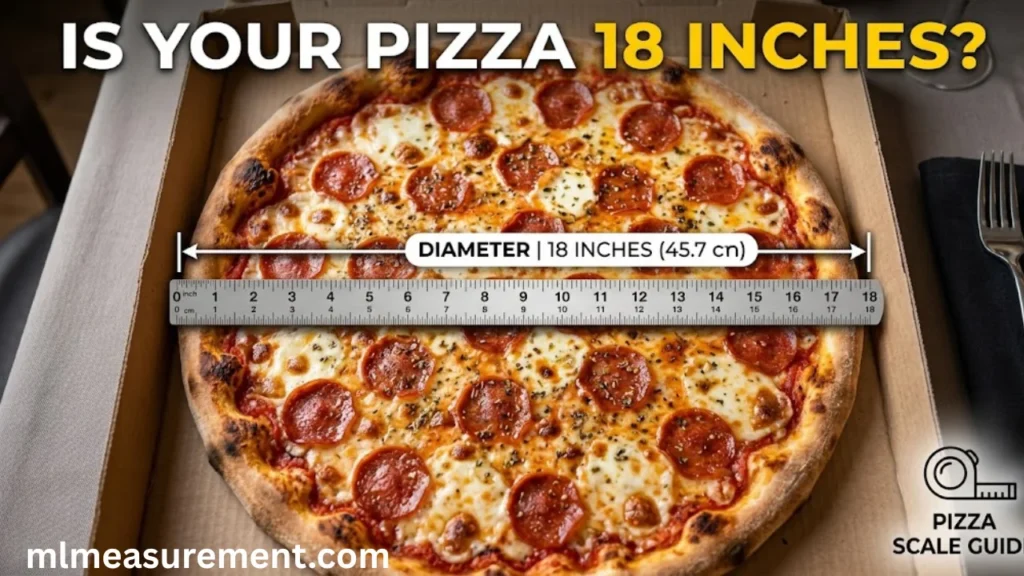
An extra-large pizza. Party-size pies from chains like Papa John’s or wholesale bakeries often measure a full 18 inches across, edge to edge.
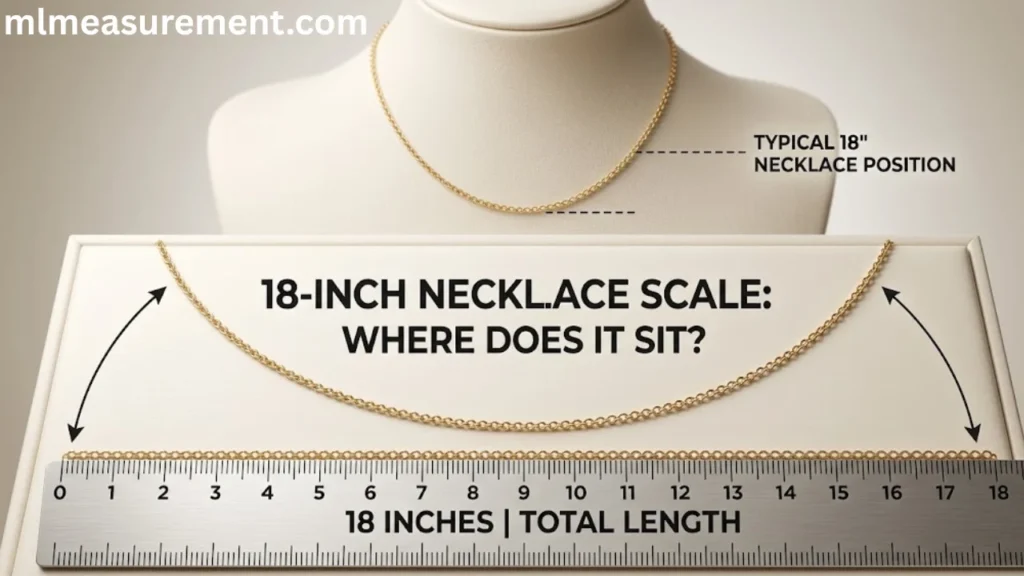
A princess-length necklace. In jewelry sizing, an 18-inch chain is called “princess length.” It’s one of the most popular necklace sizes because it sits just below the collarbone.
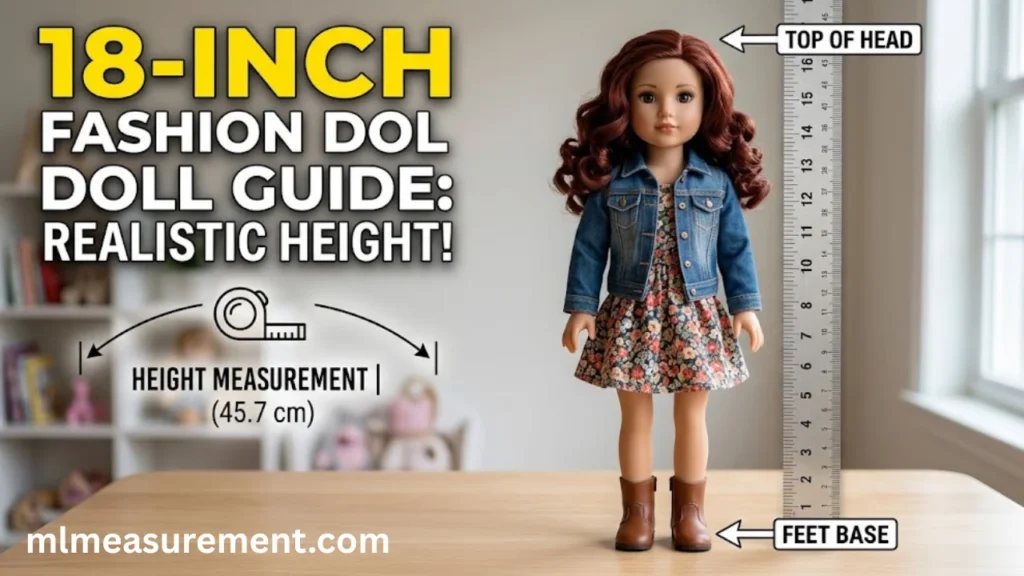
An American Girl doll. These collectible dolls, first introduced in 1986, are manufactured at exactly 18 inches tall, making them one of the most standardized comparisons on this list.
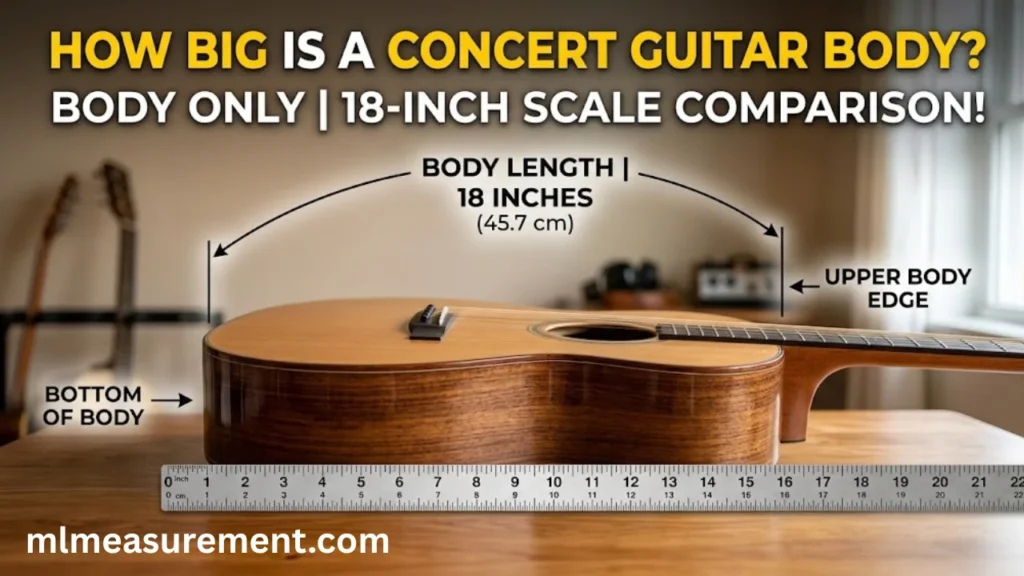
An acoustic guitar body. The hollow body of a concert-style acoustic guitar, not counting the neck, typically measures 18 to 19 inches long.
How to Visualize 18 Inches Without a Ruler
You don’t need measuring tools every time. A little estimation goes a long way.
Use your body. Your forearm from elbow to wrist, plus a hand’s width, lands close to 18 inches for most adults.
Stack familiar objects. Combine a 12-inch ruler with half of another. Or line up three dollar bills, since each note measures 6.14 inches, according to the U.S. Bureau of Engraving and Printing.
Break the number into chunks. Think of 18 inches as “a foot, plus six more.” Smaller segments are always easier to judge by eye than one long, unfamiliar span.
Try a 3-step test right now. Grab a pillow, place your laptop next to it, and compare. If the two roughly match in length, you’re looking at 18 inches in real time.
Why Knowing 18 Inches Long Actually Matters
This measurement shows up more often than people expect, and getting it wrong has real consequences.
Shopping and returns. Furniture, storage bins, and shelving frequently list dimensions in inches. Misjudging 18 inches by even a little can mean a piece that doesn’t fit your space.
Travel and airline rules. Since under-seat luggage limits often use 18 inches as the cutoff, this single number can decide whether your bag rides free or gets checked at the gate.
Home projects and gardening. Cabinet depths, drawer organizers, and plant spacing (many herbs and vegetables need about 18 inches between seedlings) all lean on this measurement for accurate planning.
Appliance fit. Slimline dishwashers are built specifically at 18 inches wide to fit into compact kitchens where a standard 24-inch unit won’t squeeze in.
Common Mistakes People Make With 18 Inches
Confusing it with two feet. Eighteen inches is 1.5 feet, not 2. That extra six inches adds up fast in tight spaces.
Mixing up inches and centimeters. Since 18 inches equals nearly 46 cm, swapping the two units by accident can throw off an entire project.
Assuming every “standard” size is exact. A “18-inch” pillow or cutting board can vary slightly by brand, so it’s smart to double-check when precision actually matters.
Measuring the wrong dimension. People often check height when a project calls for depth or width. Always confirm which direction you’re actually measuring before you buy.
FAQs
What does 18 inches long look like?
Picture a throw pillow, a large laptop screen, or an American Girl doll standing upright. All three represent almost exactly 18 inches, giving you a fast visual without a ruler.
How long is 18 inches?
Eighteen inches equals 1.5 feet, 0.5 yards, or 45.72 centimeters. It’s longer than a standard 12-inch ruler but shorter than a common 24-inch measurement like two feet.
How to visualize 18 inches?
Use your forearm plus a hand span, stack a ruler with half of another, or compare it to a throw pillow, backpack, or laptop screen, all everyday objects that land close to 18 inches.
How tall is 18 inches in feet?
Eighteen inches converts to exactly 1.5 feet. Think of it as one full foot plus six extra inches.
Conclusion
Eighteen inches isn’t just an abstract number on a tape measure. It’s a throw pillow on your couch, a backpack on your shoulders, a newborn in a nursery. Once you connect the measurement to objects you already know, you’ll never need to second-guess a product listing again.

Rehmaan Khan is a Measurement Content Researcher Specializing in MLmeasurement, Size Guides, Charts, and Simple Educational Measurement Content.