
Ever tried to picture how much 2 ounces really is? You’re not alone. This small unit shows up everywhere — in recipes, on shipping labels, in skincare bottles, and even on a bathroom scale. But most people can’t picture it without something real to compare it to.
This guide breaks it down in plain terms. You’ll see exact conversions, get 12 real-life things that weigh about 2 ounces, and learn why this tiny measurement actually matters more than you’d think.
Table of Contents
How Much Is 2 Ounces? (Grams, mL & Quick Conversion)
Let’s start with the basics.
2 ounces equals 56.7 grams. That’s the standard avoirdupois ounce — the everyday weight unit used in the U.S. for food, mail, and household items.
If you’re asking, “is 2 ounces 60 mL?” — here’s the nuance. Weight (oz) and volume (fl oz) aren’t the same thing, but for water, they land close together. 2 fluid ounces equals about 59.1 mL, which most people round to 60 mL. So yes, for practical purposes, 2 oz and 60 mL are basically the same amount of liquid.
Here’s the quick cheat sheet:
- 2 oz = 56.7 grams (weight)
- 2 fl oz = ~59 mL (volume, rounds to 60 mL)
- 2 oz = 4 tablespoons (liquid measure)
- 2 oz = 0.125 pounds (one-eighth of a pound)
This distinction between mass and volume trips up a lot of people, especially when following a recipe or reading a skincare label. Keep it in mind as we go further.
12 Everyday Things That Weigh About 2 Ounces
Numbers alone don’t stick in your memory. Objects do. Below are 12 things that weigh 2 ounces, pulled from categories you already interact with daily — kitchen, wallet, bathroom, and mailbox.
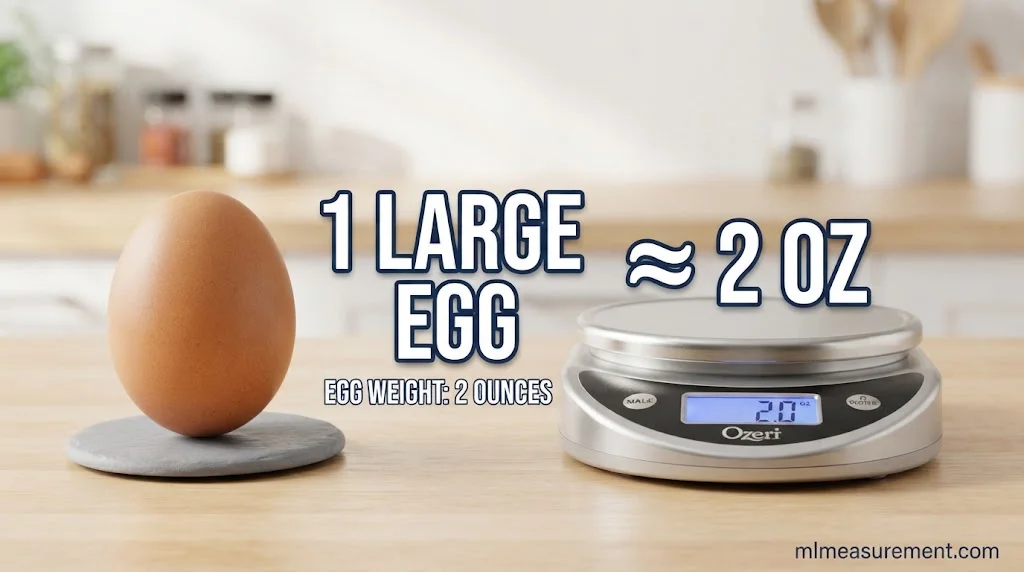
A large chicken egg. A single large egg, shell included, weighs close to 2 ounces (about 56–63 grams). This is why recipes often swap “one large egg” for a rough 2 oz measurement.
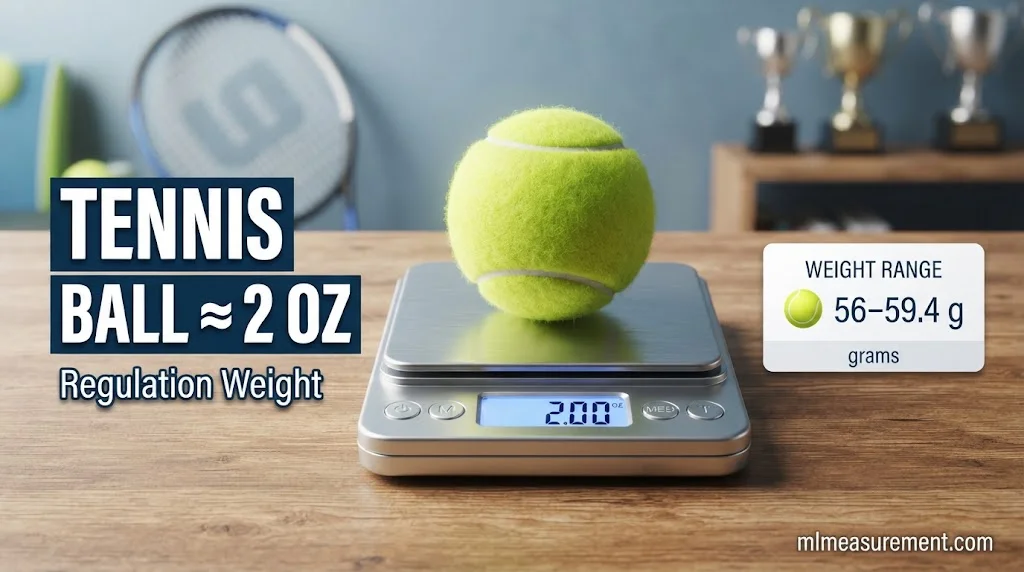
A tennis ball. Regulation tennis balls used in official play weigh between 56 and 59.4 grams, per international tennis standards. That puts a tennis ball almost dead-on at 2 ounces.
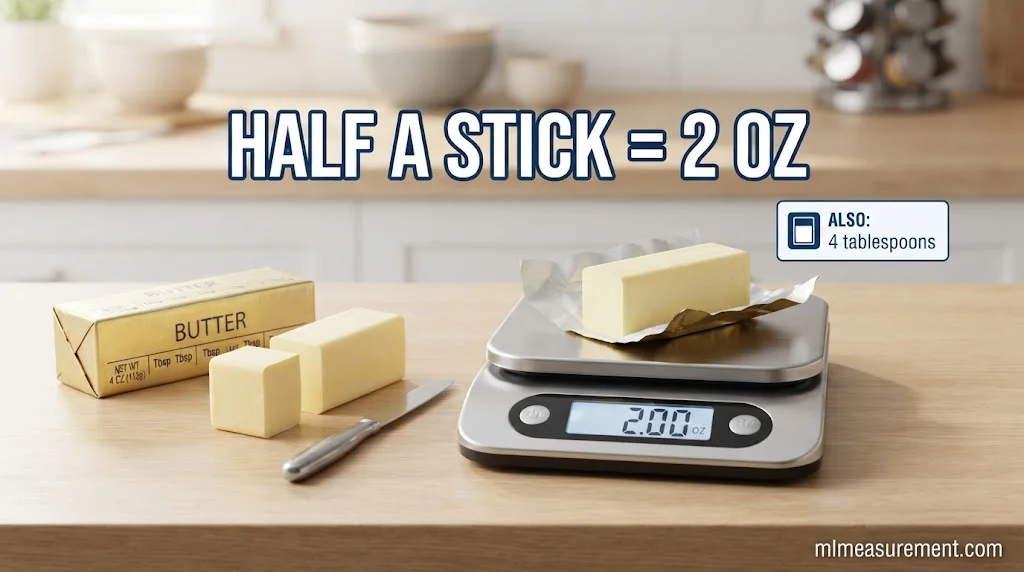
Half a stick of butter. A full stick of butter weighs 4 ounces, so half a stick — or 4 tablespoons — lands right at 2 ounces. Bakers use this shortcut constantly.
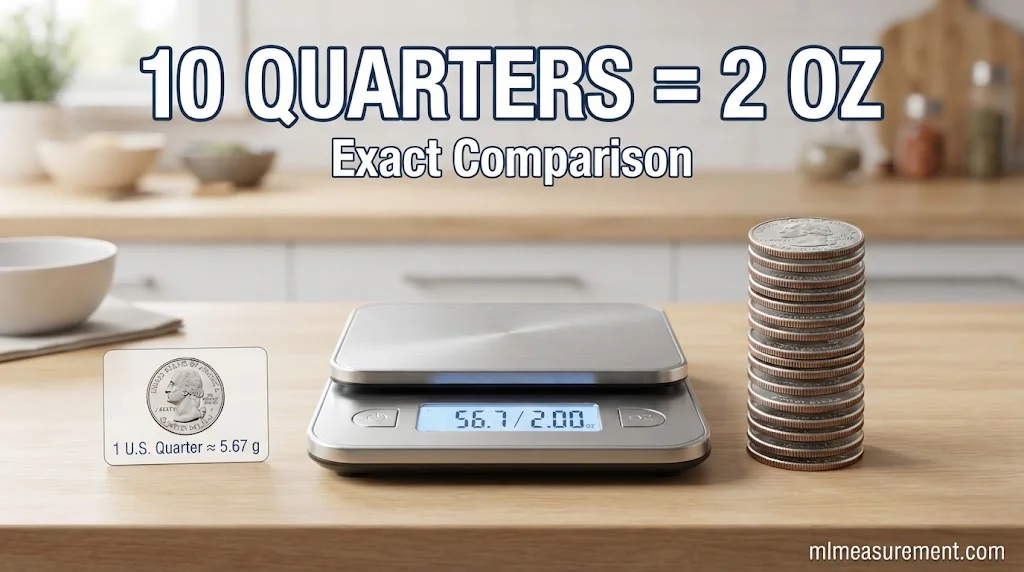
Ten U.S. quarters. Each quarter weighs 5.67 grams. Stack ten of them and you get exactly 56.7 grams — a perfect 2-ounce match, and a fun trick if you don’t own a scale.
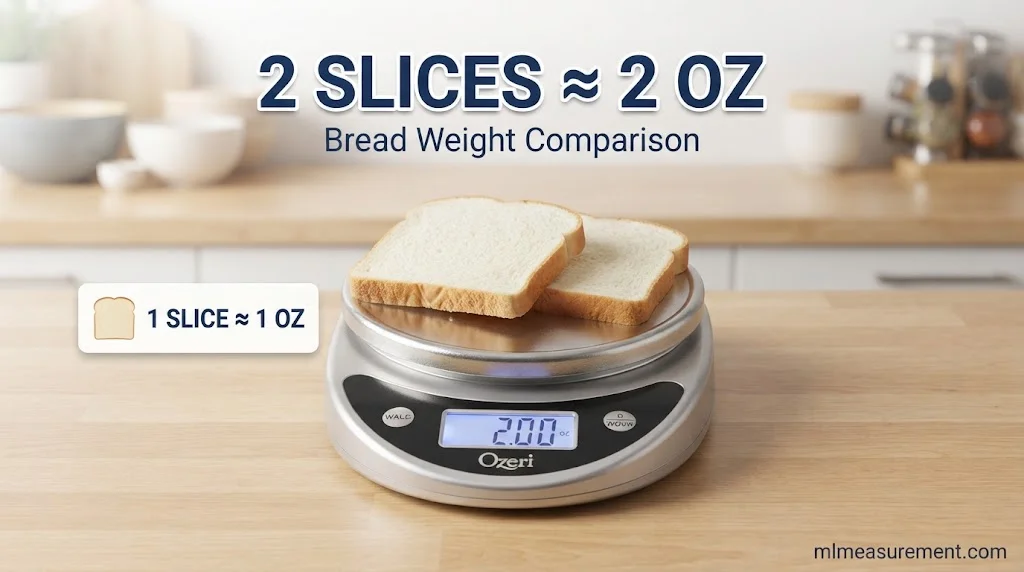
Two slices of sandwich bread. A standard slice of white bread weighs close to 1 ounce, so two slices together approximate 2 ounces — useful context next time you’re counting carbs or portions.
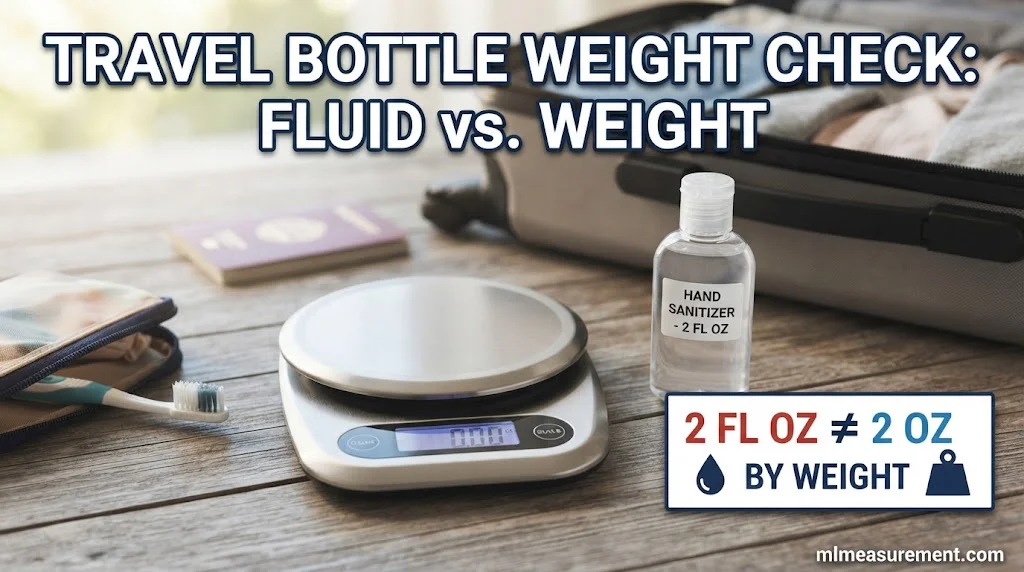
A travel-size toiletry bottle. Those mini shampoo, lotion, or hand sanitizer bottles sold for carry-on luggage are almost always capped at 2 fluid ounces — the exact limit under the TSA’s 3-1-1 liquids rule.
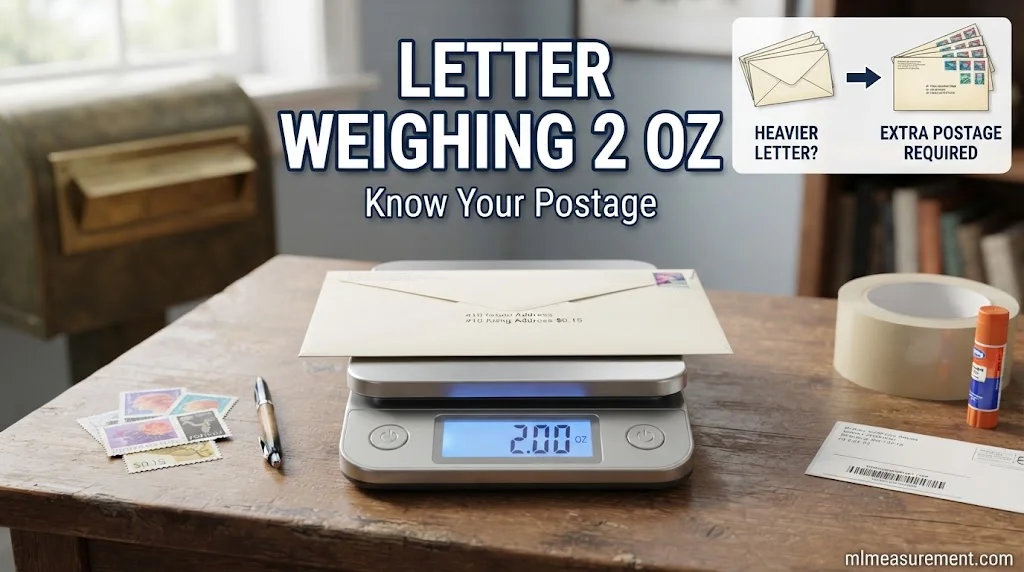
A heavier first-class letter. The U.S. Postal Service prices mail by weight tier. A letter creeping past the standard 1-ounce rate often lands in the 2-ounce range, triggering an extra postage charge.
Must visit: 7 Ounces: 11 Real-Life Things That Weigh About 7 Ounces
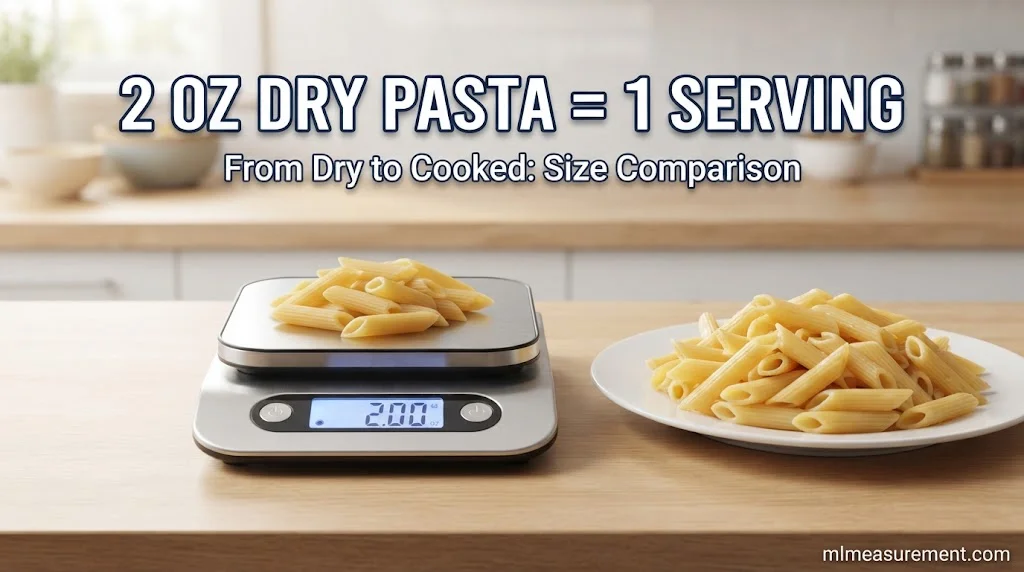
A single serving of dry pasta. Nutrition guidelines commonly list 2 ounces of dry pasta as one standard serving — roughly a fistful, before it triples in size once boiled.
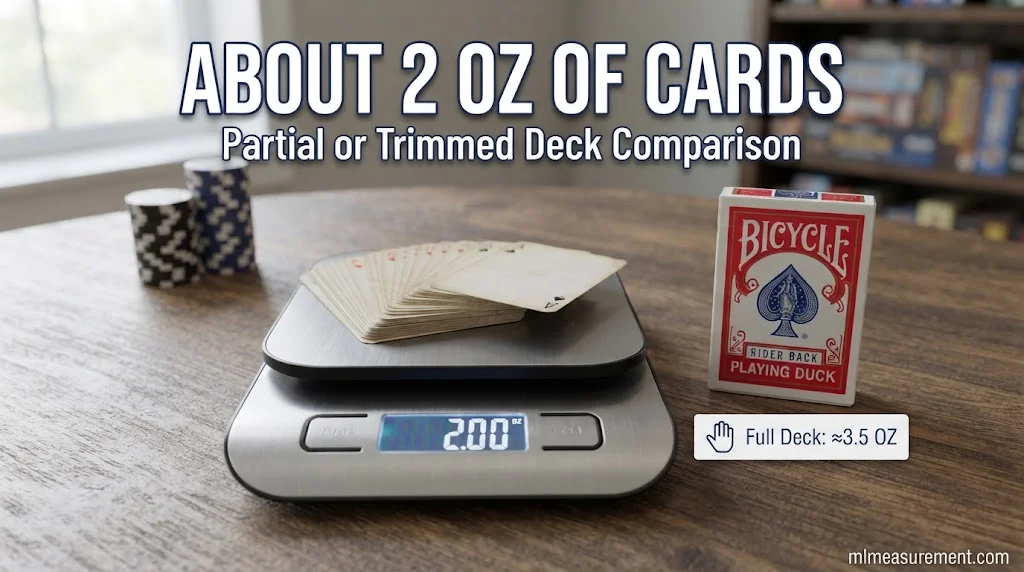
A deck of playing cards. A full 52-card deck weighs close to 3 ounces, but a half-used or trimmed deck often dips to around 2 ounces — a handy mental anchor either way.
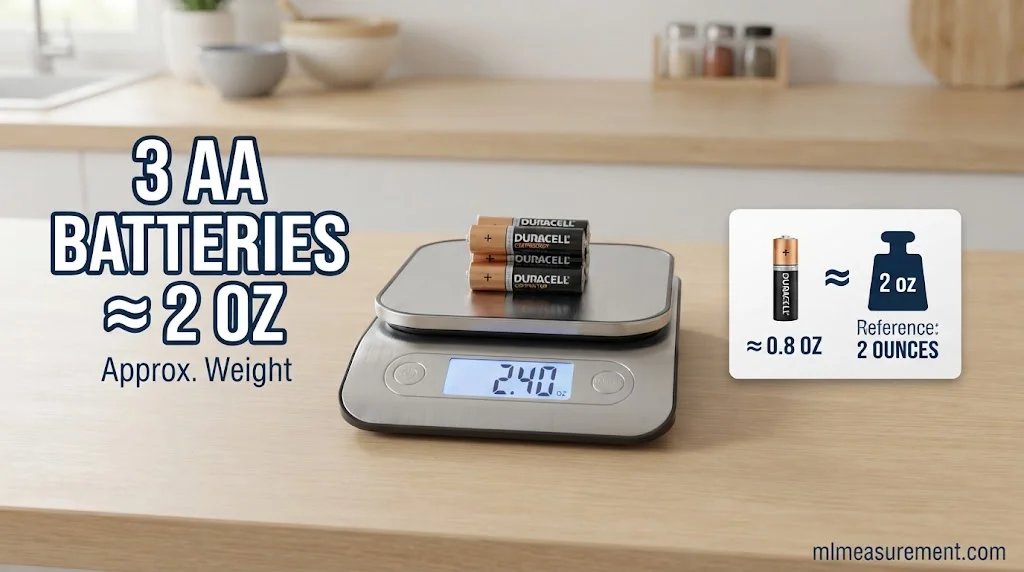
Three AA batteries. One AA battery weighs about 0.8 ounces. Group three together and you’re sitting right around 2.4 ounces — close enough to 2 to make a solid comparison.
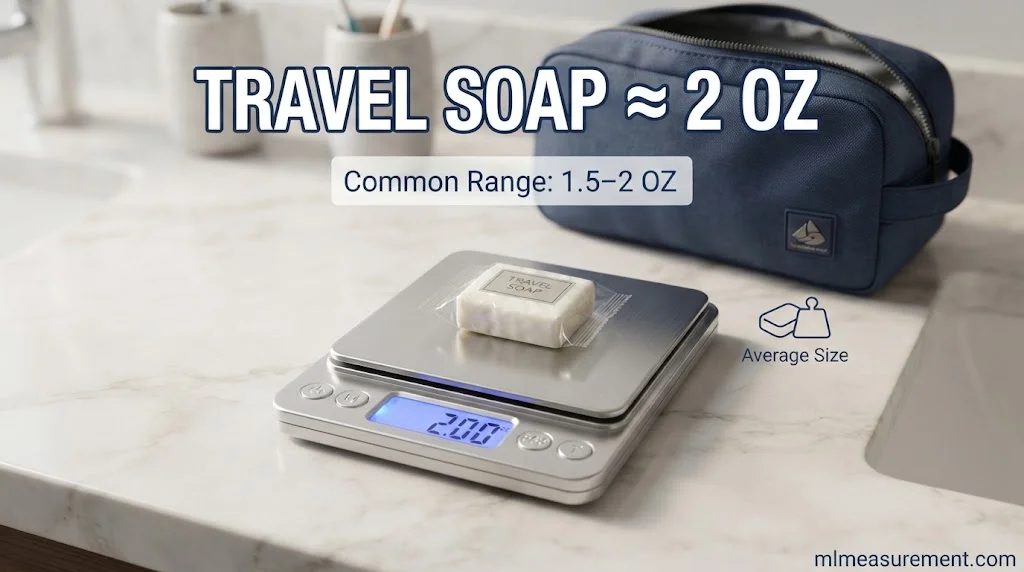
A small bar of travel soap. Hotel-size soap bars are typically manufactured in the 1.5 to 2-ounce range, making them a near-perfect real-world reference.
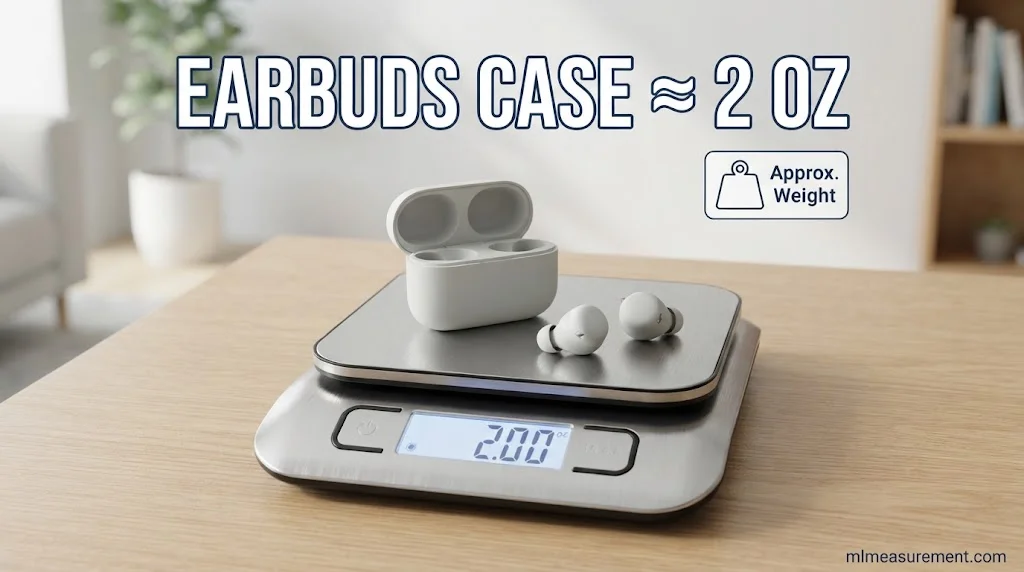
A wireless earbuds charging case. Compact charging cases for earbuds — the kind that fit in a pocket — commonly weigh close to 2 ounces, thanks to their lightweight plastic-and-battery build.
Why Knowing What Weighs 2 Ounces Is Useful
This isn’t just trivia. Understanding 2 ounces has real, practical value in daily life.
Shipping and mail costs are calculated by weight brackets. Knowing when something crosses the 2-ounce threshold helps you avoid surprise postage fees.
Airport security rules cap carry-on liquids at 2 fluid ounces per container under TSA guidelines. Packing the wrong bottle size can mean losing it at the checkpoint.
Cooking accuracy depends on portion awareness. Recipes calling for “2 oz of cheese” or “2 oz of protein” are far easier to eyeball once you’ve memorized a physical reference point.
Medication and supplement dosing sometimes uses ounces, particularly for liquid medicines or topical products. A clear sense of scale reduces guesswork.
How to Measure 2 Ounces Without a Kitchen Scale
Not everyone owns a scale, and that’s fine. Here are simple, no-tool ways to measure 2 ounces accurately.
Use tablespoons for liquids. Since 1 fluid ounce equals 2 tablespoons, 4 tablespoons equal 2 fluid ounces — no scale required.
Use a measuring cup. Most standard cups show ounce markings on the side. Fill to the “2 oz” line for a fast, visual measurement.
Use coins as a weight reference. As shown earlier, 10 quarters weigh almost exactly 2 ounces. Keep a small stash in a drawer for quick DIY weighing.
Use your smartphone. Some phone apps use built-in sensors or camera-based estimation to approximate small weights — not lab-accurate, but useful in a pinch.
FAQs About 2 Ounces
How much is 2 oz in mL?
2 fluid ounces equals about 59.1 mL, which is typically rounded to 60 mL in everyday use.
How much is 2 ounces?
2 ounces equals 56.7 grams by weight, or roughly 59–60 mL if measuring a liquid volume.
Is 2 ounces 60 mL?
Close, but not exact. The precise conversion is 59.1 mL. Most labels and recipes round this up to 60 mL for simplicity.
What is 2 ounces as grams?
2 ounces converts to exactly 56.7 grams, based on the standard avoirdupois ounce used in the United States.
Conclusion
Two ounces might sound small, but it shows up in more places than most people realize — from your morning egg to your carry-on bag. Next time you need a mental shortcut, picture a tennis ball, ten quarters, or half a stick of butter. That’s 2,ounces made simple.

Rehmaan Khan is a Measurement Content Researcher Specializing in MLmeasurement, Size Guides, Charts, and Simple Educational Measurement Content.