
Numbers on a scale don’t mean much until you connect them to something real. 100 kg heavy is one of those weights that sounds simple but is hard to picture — especially if you grew up using pounds instead of kilograms.
This guide fixes that. You’ll get the exact conversions, then 16 real objects, animals, and everyday items that hit the 100 kilograms mark, so the number finally clicks.
Table of Contents
How Heavy Is 100 kg? (Conversion Chart & Formula)
Let’s start with the basics. 100 kg equals 220.46 pounds, or about 220 lbs when rounded for everyday use.
| Unit | 100 kg Equals |
|---|---|
| Pounds | 220.46 lbs |
| Stone | 15.75 stone |
| Grams | 100,000 g |
| Ounces | 3,527.4 oz |
| Metric Tons | 0.1 tonne |
How do you convert kilograms to pounds? Multiply the kilogram figure by 2.20462. So, 100 × 2.20462 = 220.46 lbs. That same formula works for any weight — 50 kg becomes 110.23 lbs, and 150 kg becomes 330.69 lbs.
One mix-up trips people up constantly: confusing 100 kg with 100 lbs or 100 grams. These are three completely different weights. 100 pounds equals only 45.36 kg — less than half of 100 kg. 100 grams is closer to the weight of a medium apple. Keeping these straight matters if you’re reading a nutrition label, a shipping manifest, or a gym plate.
Americans run into 100 kg more often than they realize. Airlines often flag checked or cargo shipments once combined luggage nears this threshold, triggering extra freight fees. Gyms that use metric plates (20 kg, 15 kg, 10 kg) hit 100 kg the moment a lifter loads two 20 kg plates per side onto a 20 kg Olympic bar. Even USPS and FedEx freight-rate tiers shift once a package crosses the 100 kg line.
16 Real-Life Things That Weigh About 100 Kilograms
Here’s where the number becomes tangible. Some of these are classic comparisons you’ll find across the web. Others are angles most weight-comparison guides skip entirely — including a few built specifically for American households and gyms.
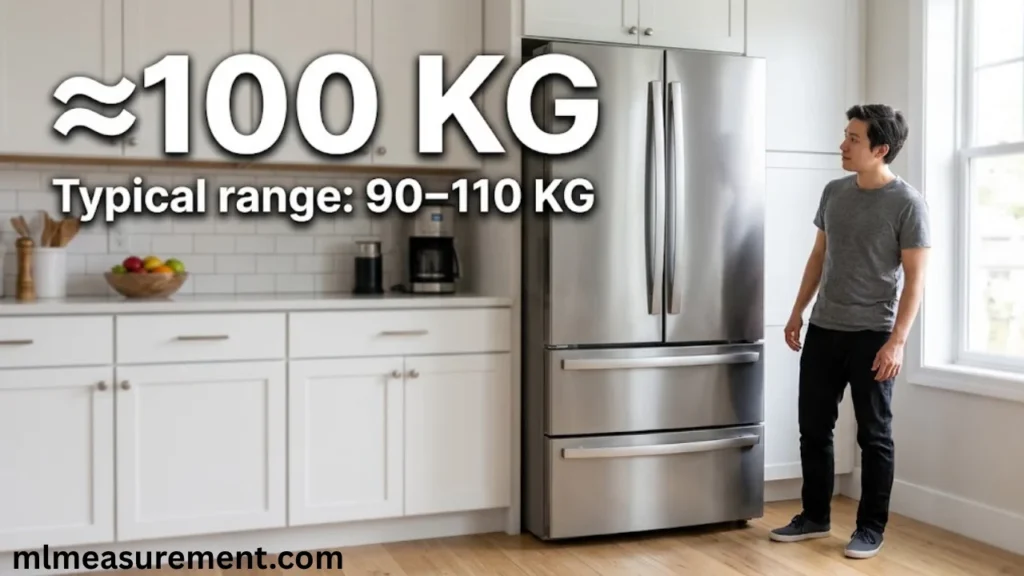
A standard refrigerator weighs between 90 and 110 kg once you include the compressor, steel casing, and insulation. It’s why appliance stores require two-person delivery.
A front-loading washing machine lands in a similar range — usually 95 to 105 kg. Manufacturers pack concrete or cast-iron counterweights inside the drum housing so the machine doesn’t shake itself across the floor during a high-speed spin.

An adult male lion typically weighs 90 to 110 kg in the wild. African lions run heavier than their Asiatic cousins, and this muscle mass is what lets them take down prey many times their own size.

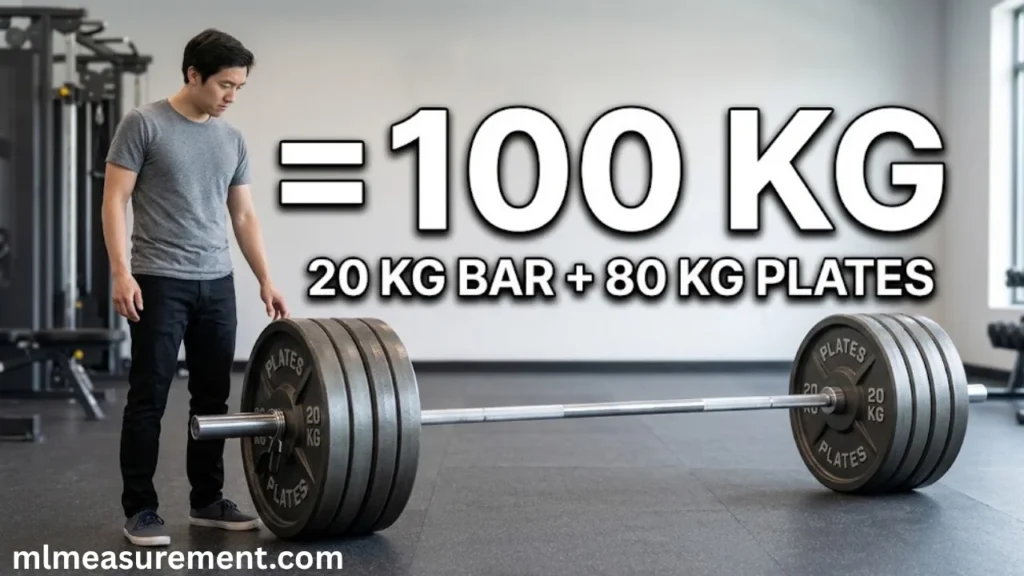
An Olympic barbell loaded with plates hits 100 kg exactly once you add 80 kg of plates to the standard 20 kg bar. Lifters call this the “two-plate” milestone — a recognized turning point between beginner and intermediate strength.
Four bags of cement, at 25 kg each, add up to precisely 100 kg. It’s one of the most repeatable comparisons in construction, since cement bags are standardized almost everywhere.

A newborn elephant calf weighs 90 to 120 kg at birth — making it one of the heaviest newborns of any land mammal. Within hours, that calf can already stand and walk beside its mother.

A giant panda averages 70 to 125 kg as an adult, with most individuals sitting right around the 100 kilogram mark. Their stocky, muscular build supports a bamboo-heavy diet that requires constant grazing.

A large dog breed, like a Great Dane, Mastiff, or working-line German Shepherd, can weigh 90 to 110 kg at full size. Veterinarians use this figure as a reference point when calculating medication doses for giant breeds.

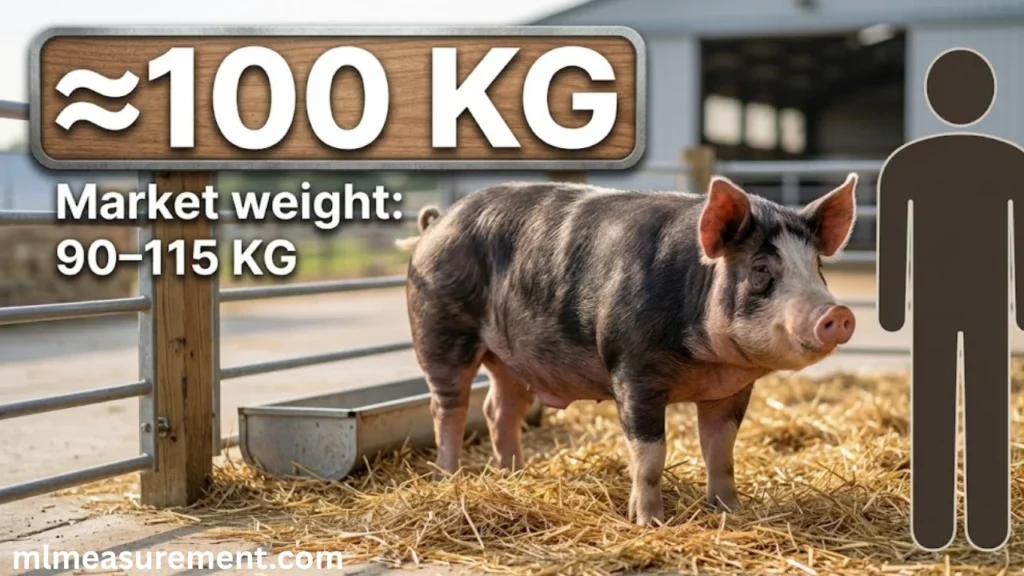
An adult pig at market weight reaches 90 to 115 kg at around 5 to 6 months old. Farmers track this benchmark closely because it represents the ideal ratio of muscle to fat for pork production.
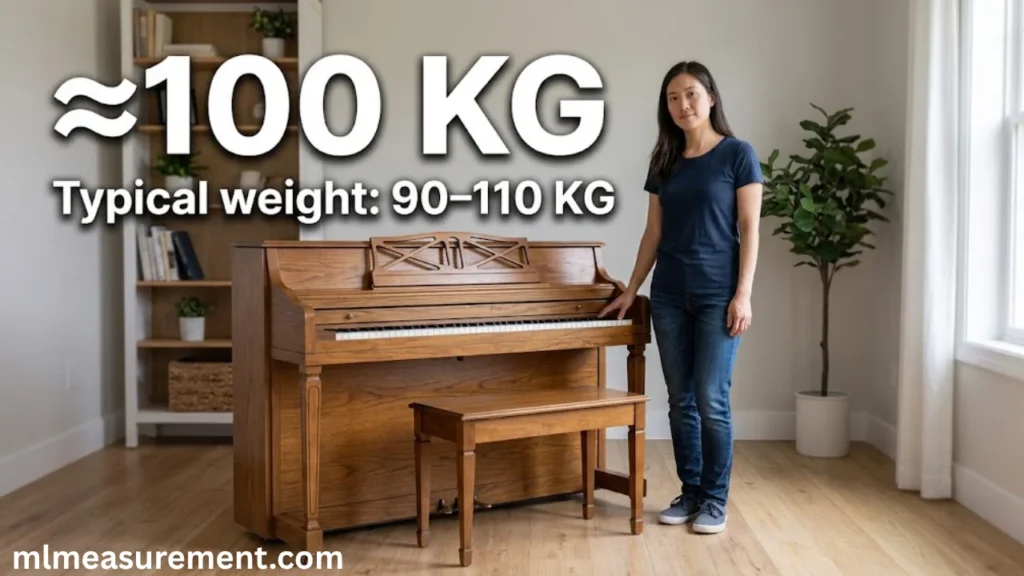
A spinet piano, the smallest upright piano style, weighs roughly 90 to 110 kg. Most of that mass comes from the cast-iron plate inside, which has to withstand tons of string tension without warping.
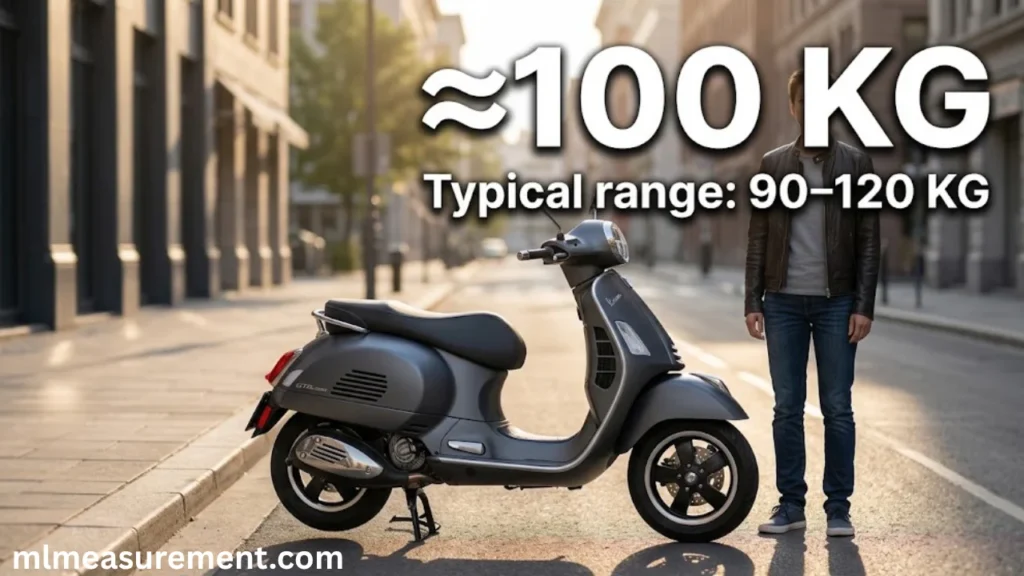
A small motorcycle or scooter typically weighs 90 to 120 kg before fuel. Sport bikes in the 250cc class often land exactly at 100 kg once fluids and a partial tank are factored in.
Must visit: 300 Grams Heavy: 13 Real-Life Things That Weigh About 300 Grams
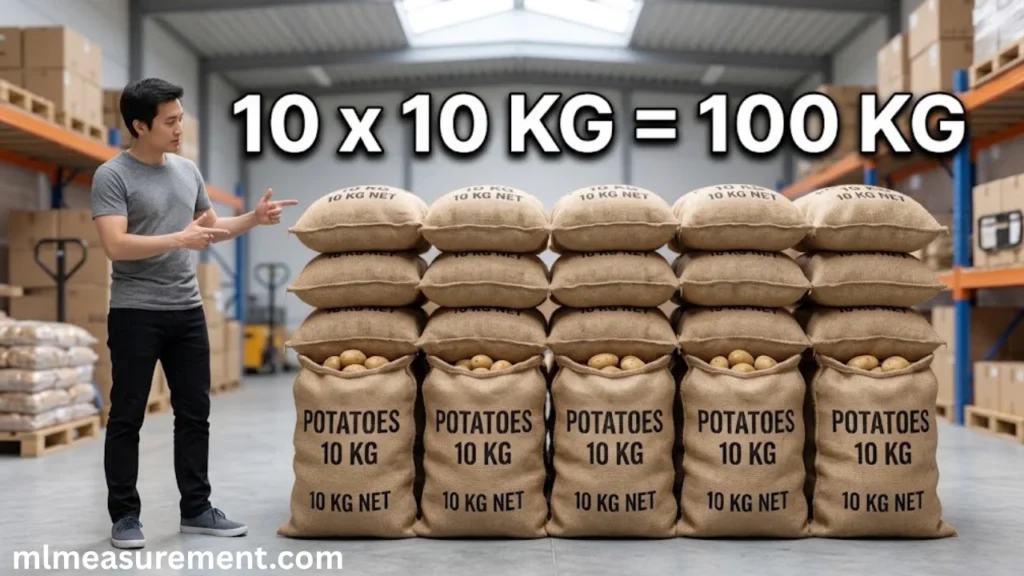
Ten 10-kg sacks of potatoes, or ten bags of rice, come out to exactly 100 kg. Restaurant suppliers and wholesale grocers use this 10-kg increment constantly for bulk ordering.
A heavyweight MMA fighter’s weigh-in class offers a modern, US-relevant comparison boxing guides tend to overuse. UFC’s heavyweight division caps at 265 lbs (120 kg), and many fighters walk into the cage sitting close to 100 kg of lean, conditioned muscle.

A fully assembled residential gas grill — the kind sitting on suburban patios across the country — often weighs 45 to 100+ kg once you include the cast-iron grates, propane tank, and steel cart frame. Larger built-in models can exceed this easily.

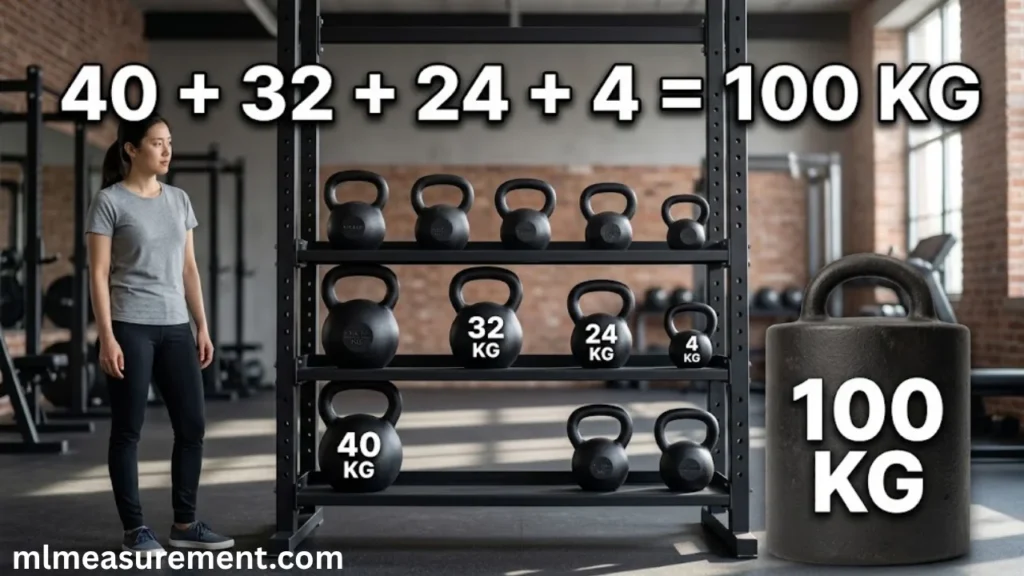
A rack of kettlebells totaling 100 kg is a familiar sight in any home or commercial gym. A common setup might combine a 40 kg, 32 kg, 24 kg, and 4 kg bell, or several mid-size bells stacked together — a practical way lifters visualize the number without a barbell at all.
A stand-up paddleboard with rider and gear frequently reaches 100 kg combined. A hardshell or inflatable SUP weighs 8 to 18 kg on its own; add an average adult rider plus a paddle, leash, and dry bag, and the total load the water is supporting lands squarely in this range — a comparison rarely used outside outdoor recreation content.

Is 100 kg Heavy? (For Lifting, For a Person, For a Girl)
Context changes everything here. Is 100 kg heavy to lift? For most untrained adults, yes. The National Institute for Occupational Safety and Health (NIOSH) sets its ideal-conditions recommended lifting limit at just 23 kg (about 51 lbs) for a single healthy worker — and that limit drops even lower once bending, twisting, or repetition enters the picture. 100 kg is more than four times that recommended limit, which is why professional movers and warehouse teams rely on dollies, forklifts, or two-person lifts instead of muscling it alone.
Trained lifters are a different story. Reaching a 100 kg squat, deadlift, or bench press is a widely recognized strength milestone, and most intermediate lifters get there within one to three years of consistent training, according to strength-coaching data cited across gym and fitness sources.
Is 100 kg heavy for a girl? For context, the Centers for Disease Control and Prevention reports the average American woman weighs about 171.8 lbs, which converts to roughly 77.9 kg. That puts 100 kg (220 lbs) noticeably above the national female average — though body composition, height, and muscle mass all shape what “heavy” actually means for any individual. The average American man, by comparison, weighs close to 198 lbs, or about 89.8 kg — still under the 100 kg mark, though closer to it than the average woman.
| Group | Average Weight |
|---|---|
| Average US woman (20+) | ~171.8 lbs (77.9 kg) |
| Average US man (20+) | ~198 lbs (89.8 kg) |
| 100 kg benchmark | 220.46 lbs |
FAQs
Is 100kg very heavy?
Yes, relative to what an untrained person can safely lift. 100 kg sits well above NIOSH’s recommended single-lift limit of 23 kg, though it’s a routine training weight for experienced athletes and powerlifters.
Is 100kg heavy for a girl?
It’s above the national average. The average American woman weighs about 77.9 kg, so 100 kg is roughly 22 kg heavier than that benchmark — though healthy weight always depends on height, frame, and muscle mass, not one number alone.
Is 100 kg heavy to lift?
For most people without training, yes — it typically requires equipment or a second person. For trained lifters, a 100 kg squat, deadlift, or bench press is a common and achievable strength goal.
What weighs about 100kg?
A standard refrigerator, a front-loading washing machine, an adult male lion, a loaded Olympic barbell, four bags of cement, a newborn elephant calf, and a giant panda all weigh close to 100 kilograms.
Conclusion
100 kg heavy stops being an abstract number once you connect it to things you already know — a fridge, a lion, a loaded barbell, a newborn elephant. Whether you’re training for a lift, planning a move, or just curious, these real-world comparisons make the weight easy to picture and easy to remember.

Rehmaan Khan is a Measurement Content Researcher Specializing in MLmeasurement, Size Guides, Charts, and Simple Educational Measurement Content.